Tools Needed for Gas Line Repair
When preparing for gas line repair, having the right tools is crucial for both safety and efficiency. Basic hand tools such as wrenches, pliers, and screwdrivers are essential for working with fittings and connections. Pipe sealants, thread tape, and appropriate adhesives also play a vital role in ensuring a proper seal. Specialized tools like a gas leak detector can help identify any leaks during and after the repair process, which is necessary for maintaining safety standards.
In addition to hand tools, specific equipment may be required for certain types of repairs. A pipe cutter is useful for cutting through existing lines, while a bending tool may be necessary when dealing with flexible gas lines. Having a first aid kit on hand is a good practice, as working on gas lines can pose hazards. Those considering gas line installation and repair in Eugene, Oregon should also familiarize themselves with local codes and regulations to ensure compliance and promote safety during the repair process.
Essential Equipment and Supplies
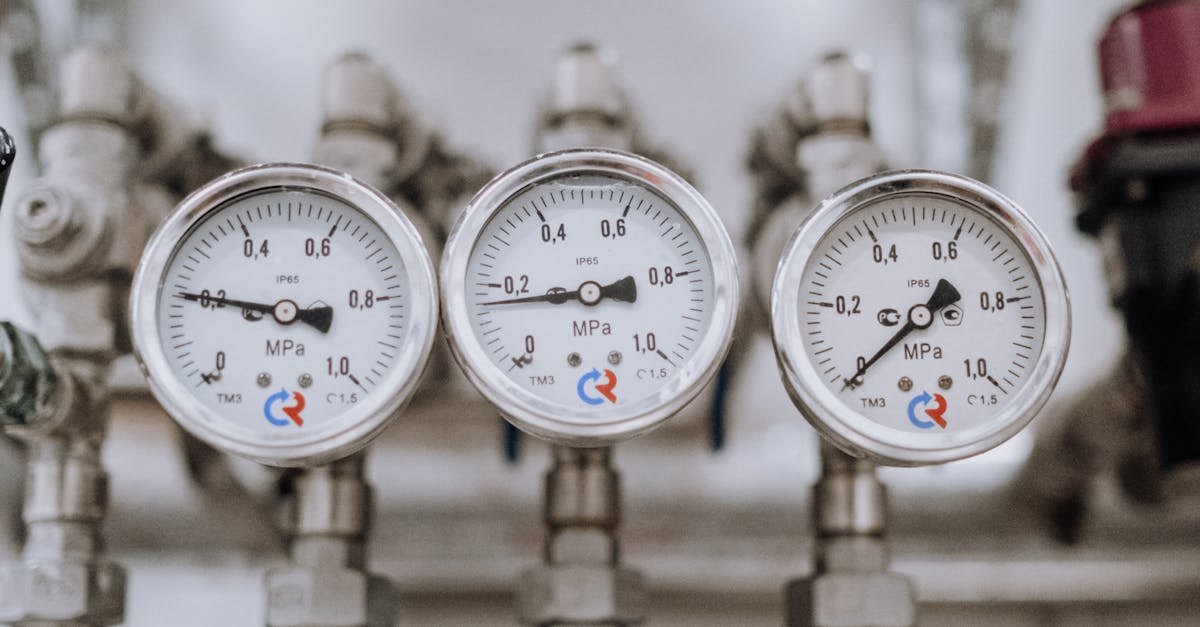
When tackling a gas line repair, having the right tools and supplies is crucial. Basic equipment typically includes a wrench set, pipe cutter, and Teflon tape. Additionally, specialized tools like a gas line pressure gauge may be necessary for testing the integrity of the line after repairs. A utility knife, safety goggles, and gloves should also be on hand to ensure safety throughout the process. For gas line installation and repair in Eugene, Oregon, it's important to also have access to quality materials that meet local standards.
Before beginning any repairs, ensure you have the following supplies ready. Replacement fittings made of durable material, a high-quality gas line, and sealants suitable for gas applications are essential. Having a variety of pipe sizes can also expedite the repair process, as specific dimensions may be required for different repairs. Gathering these supplies ahead of time can make the undertaking smoother and help ensure compliance with local regulations during the repair process.
StepbyStep Guide to Repairing a Gas Line
Repairing a gas line requires meticulous attention to detail and adherence to safety protocols. First, ensure that the gas supply is turned off at the main valve. Use a wrench to disconnect the damaged section of the line, and then inspect the surrounding area for any residual gas. Once the immediate risks have been addressed, clean the connection points to remove any debris or corrosion. Depending on the severity of the damage, you may need to replace a segment of the line with a new piece that matches the existing piping.
After preparing the area, install the new section of gas line, ensuring that all connections are secure and tight. Utilize proper fittings and tape to seal joints, minimizing the risk of leaks. Once the installation is complete, it’s critical to perform a leak test using soap and water on the seams. If bubbles appear, this indicates a leak that must be fixed before re-energizing the system. Gas line installation and repair in Oregon must comply with local regulations and codes, so verify all work adheres to state standards.
Key Procedures to Follow
Before starting any repairs, ensure the gas supply is turned off at the main valve. This step is crucial to prevent gas leaks and ensure safety throughout the process. After the gas is shut off, use a pressure gauge to check the system's integrity. If there’s a noticeable drop in pressure, identify the leak's location.
After confirming the leak, begin removing the damaged section of the gas line. Use appropriate tools to cut the pipe carefully. Once removed, clean the area thoroughly to ensure a secure seal. The new section of pipe should match the existing line in size and material. It's essential to follow local codes and regulations. For instance, gas line installation and repair in Eugene, Oregon, requires adherence to specific safety standards that ensure the integrity of the work.
Regulations and Codes for Gas Line Work
When it comes to gas line work, adherence to local regulations and codes is crucial for safety and compliance. In Eugene, Oregon, specific guidelines dictate the standards required for gas line installation and repair. These regulations serve to protect both the workers and the community, ensuring that all procedures meet high safety standards. Familiarizing oneself with these legal requirements can help prevent costly fines and promote best practices in gas line work.
In Eugene, the local authority regulates gas line installations through permits and inspections. This oversight ensures that all work is performed by licensed professionals who understand the intricacies of gas systems. It’s vital to consult the local building department to obtain the necessary permits before commencing any repairs or installations. This proactive approach not only safeguards against potential hazards but also ensures that the work aligns with community safety standards.
Understanding Local Standards
Local standards for gas line installation and repair can vary significantly by region. Each locality establishes its own set of regulations to ensure safety and compliance with state laws. In Eugene, Oregon, specific codes govern how gas lines must be installed, maintained, and repaired. Homeowners and professionals alike should familiarize themselves with these regulations to avoid penalties and ensure safe operations.
Understanding the nuances of local standards is crucial for anyone involved in gas line work. Gas line installation and repair in Eugene, Oregon, requires adherence to guidelines set forth by city ordinances and state regulations. It is advisable to consult the local building department or a licensed gas contractor to stay compliant with the latest updates in the codes. Engaging with experts can help mitigate risks associated with non-compliance.
FAQS
Is it safe to attempt to fix a broken gas line myself?
It is generally not safe to attempt to repair a broken gas line yourself. Gas line work can be hazardous and is best left to licensed professionals who are trained to handle such repairs.
What tools do I need to repair a gas line?
Essential tools for gas line repair typically include a pipe wrench, gas line fittings, Teflon tape, a utility knife, and a pipe cutter. However, it is recommended to consult a professional for specific tools based on the nature of the repair.
How can I detect a gas leak in my home?
You can detect a gas leak by smelling for a sulfur-like odor (similar to rotten eggs), listening for a hissing sound near gas lines, or using a gas leak detector. If you suspect a leak, evacuate the area immediately and contact a professional.
Are there regulations for repairing gas lines?
Yes, there are strict regulations and local codes governing gas line repairs. It's essential to understand and comply with these standards to ensure safety and legal compliance.
What should I do if I suspect a gas line is broken?
If you suspect a broken gas line, immediately evacuate the area, avoid using any electrical devices or open flames, and contact your local gas company or a licensed professional to handle the situation safely.