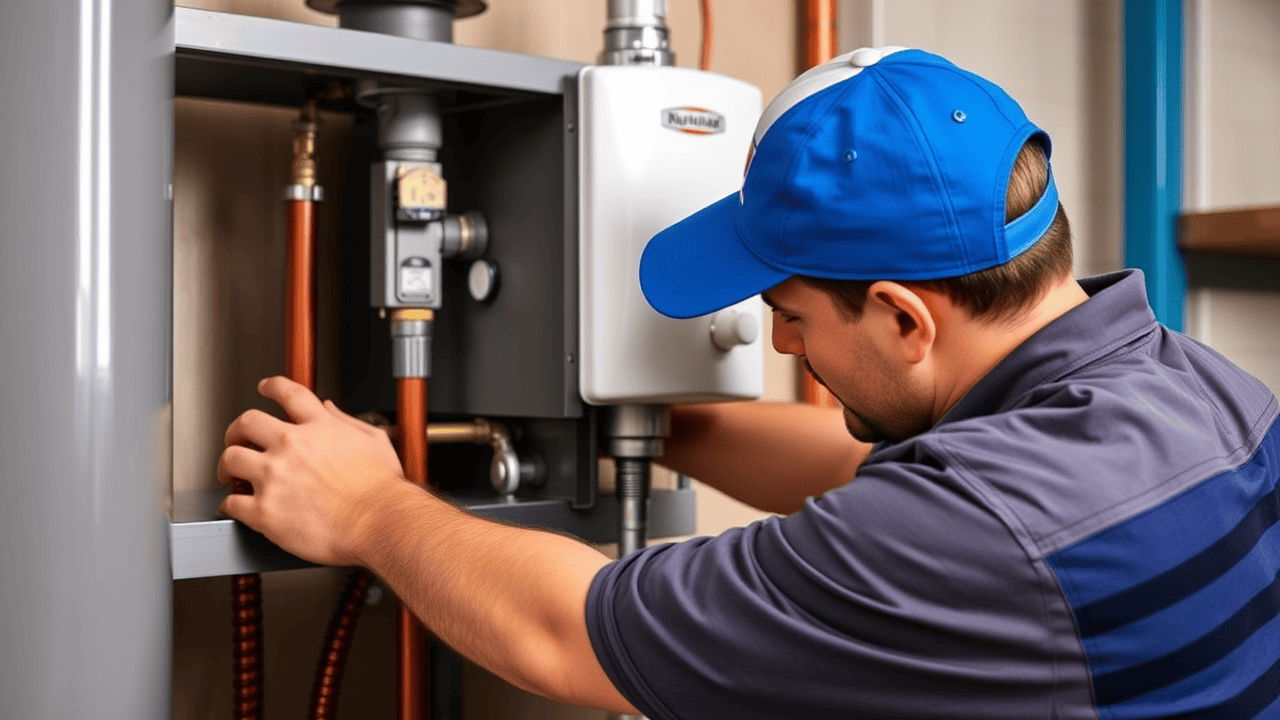
At Specialty Plumbing Company, we take pride in offering top-notch water heater installation and repair services designed to keep your home comfortable and efficient. Our skilled technicians are experienced in handling a wide range of water heater systems, including traditional tank units and modern tankless models. Whether you need a new unit installed, an outdated system replaced, or urgent repairs to restore hot water flow, we are dedicated to providing prompt and reliable service. We understand the importance of having a consistent hot water supply, which is why we work diligently to ensure your water heater operates optimally. Trust Specialty Plumbing Company to handle all your water heater needs with professionalism and expertise!
Regular Maintenance Tips for Longevity
To ensure a long lifespan for your water heater, regular maintenance is essential. Flushing the tank at least once a year helps eliminate sediment buildup, which can affect efficiency. Checking the anode rod once every couple of years will help prevent corrosion. This proactive care not only extends the life of the unit but also improves its performance and efficiency.
Another important aspect of maintenance involves inspecting the temperature and pressure relief valve. Testing this valve twice a year can prevent dangerous buildup inside the tank. Additionally, checking for signs of leaks around the unit can help identify issues early, saving you from more significant repairs later on. Keeping the area around the water heater clear of debris also aids in promoting optimal airflow and efficiency.
How to Extend the Life of Your Water Heater
Regularly flushing the tank is essential for maintaining a water heater's efficiency and lifespan. Over time, sediment can build up at the bottom of the tank, leading to reduced heating efficiency and corrosion. By flushing the tank at least once a year, homeowners can remove this accumulation, which helps prevent damage and prolongs the unit's functionality.
Additionally, keeping the temperature set at an appropriate level can also contribute to the longevity of your water heater. Most experts recommend settings between 120°F and 140°F, striking a balance between comfort and efficiency. Lowering the temperature can reduce the risk of overheating and subsequent wear on internal components, ensuring that the unit remains reliable for years. Regular inspections can further identify issues before they escalate, reinforcing the importance of routine care.
Common Repairs for Water Heaters
Water heaters often face a range of common issues that may require repairs. A frequent problem is a malfunctioning thermostat, which can result in temperatures that are either too hot or too cold. In such cases, checking the thermostat settings and ensuring they are properly calibrated is essential. If the thermostat appears to be the issue, replacement may be necessary to restore optimal functioning.
Another common repair involves sediment buildup within the tank. Over time, minerals and debris accumulate at the bottom, impacting efficiency and leading to potential leaks. Flushing the tank regularly can help mitigate this issue. However, if the sediment has caused significant damage, the anode rod or even the tank itself may need replacement to prevent further complications. Addressing these repairs promptly can significantly extend the lifespan of the water heater.
Troubleshooting Frequently Encountered Issues
When water heaters begin to show signs of trouble, it’s important to identify the issue quickly. A common problem is a lack of hot water, which could stem from a malfunctioning thermostat or a faulty heating element. Checking the thermostat settings is a good first step. If it appears to be set correctly, examining the heating elements for signs of damage may reveal the source of the issue. Another frequent concern is unusual noises emanating from the tank, which often indicates sediment buildup. Flushing the tank can alleviate this problem and improve overall efficiency.
Leaking water around the base of the heater is another issue that should not be overlooked. This can result from loose connections or a damaged tank. Inspecting the plumbing connections might help identify any loose fittings that can be tightened. If the tank itself is leaking, it may be time for replacement, as repairing a tank often isn’t a long-term solution. Regularly checking the pressure relief valve can also help prevent leaks and ensure the water heater operates safely.
Hiring a Professional Plumber
When it comes to water heater installation and repairs, enlisting the help of a professional plumber can make a significant difference. A qualified technician brings expertise and experience, ensuring that the job is done right the first time. They can quickly diagnose issues and provide effective solutions, which can save homeowners both time and money in the long run. A professional can also offer valuable insights into the best water heater models that suit the specific needs of the household.
Selecting the right professional plumber requires careful consideration. Look for licensed technicians with a proven track record in water heater services. Customer reviews and referrals can provide helpful information about their reliability and workmanship. Additionally, ensure that the plumber is familiar with local codes and regulations, as compliance is crucial for a successful installation or repair. Taking the time to find a qualified expert will lead to better results and increased peace of mind.
What to Look for in a Qualified Technician
When searching for a qualified technician, consider their certifications and experience in the field. A licensed plumber should demonstrate a deep understanding of various water heater systems, including tankless and traditional models. Checking for any relevant training or specialized courses can also provide insights into their expertise. Customer reviews and references from past clients can help gauge their reliability and workmanship.
Effective communication is another essential quality to look for in a technician. They should be able to explain the issues clearly and provide detailed estimates, ensuring you understand the scope of the work. Transparency in pricing and the ability to answer your questions confidently reflects professionalism and builds trust. You might also want to inquire about their approach to maintenance and follow-up service, as ongoing support can make a significant difference in your experience.
FAQS
How often should I perform maintenance on my water heater?
It's recommended to perform maintenance on your water heater at least once a year to ensure optimal performance and longevity.
What are some signs that my water heater needs repairs?
Common signs that your water heater needs repairs include strange noises, leaks, inconsistent water temperature, and a rusty or discolored water supply.
Can I install a water heater myself?
While some homeowners may attempt to install a water heater themselves, it’s usually best to hire a professional to ensure proper installation and adherence to local codes.
How can I troubleshoot low hot water pressure from my water heater?
Check for any leaks in the hot water lines, inspect the water heater's shutoff valve, and ensure that the dip tube is functioning properly. If the problem persists, consider contacting a professional.
What qualifications should I look for in a plumber to install or repair my water heater?
Look for a plumber who is licensed, insured, and experienced in water heater installation and repair. Reading reviews and asking for references can also help ensure you choose a qualified technician.