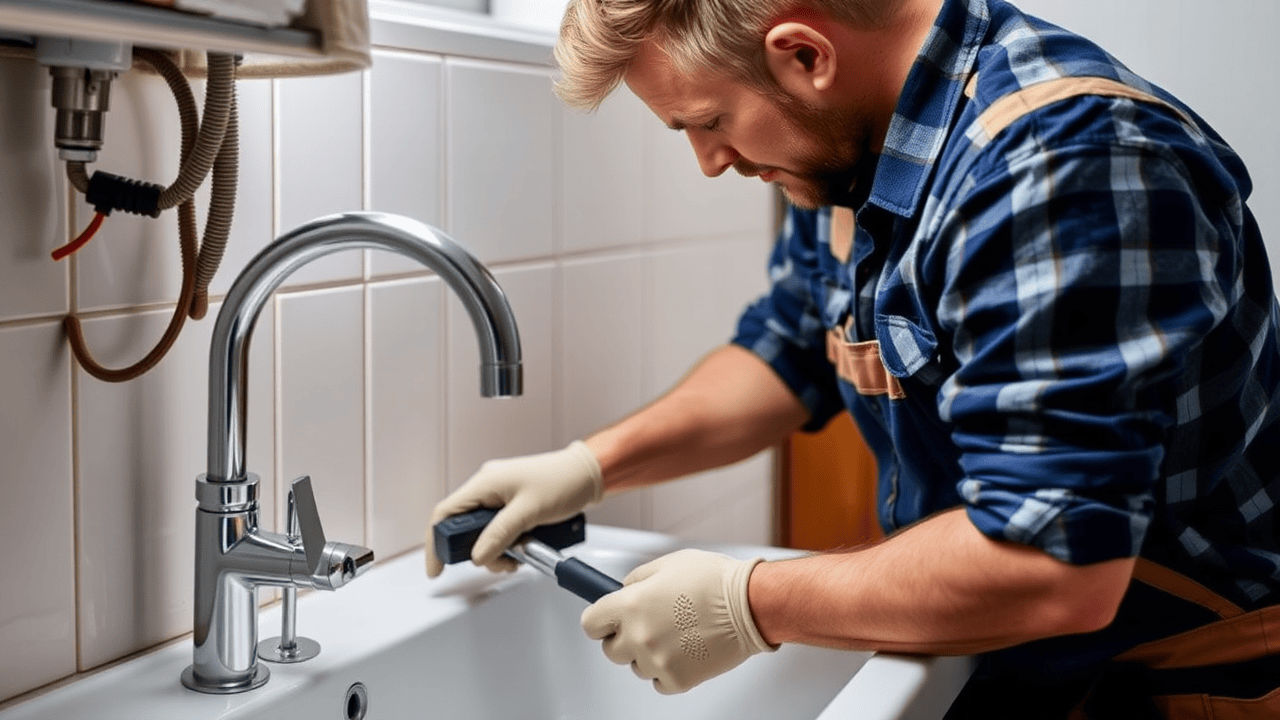
At Specialty Plumbing Company, we take pride in offering top-notch sink installation and repair services that cater to both residential and commercial needs. Whether you're upgrading to a modern sink or need prompt repairs for a leaky faucet, our experienced plumbers are equipped to handle any challenge. We understand the importance of a functional sink in your daily routine, which is why we prioritize efficiency and quality in every job. From recommending the best sink options to fit your style and budget, to ensuring precise installation and reliable repairs, our team is dedicated to delivering exceptional service that enhances the comfort and functionality of your space. Trust Specialty Plumbing Company to ensure your sink works flawlessly for years to come.
How to Unclog a Sink Effectively
Clogs are a common issue in sinks, often caused by a buildup of grease, hair, soap, and food debris. To effectively tackle a clog, it's essential to start with basic tools like a plunger and a drain snake. Begin by ensuring there’s enough water in the sink to cover the plunger's cup fully. A few firm plunges can often dislodge minor clogs. If this method fails, a drain snake can reach deeper blockages. Insert the snake into the drain and turn the handle to break up or retrieve the obstruction.
For more persistent clogs, consider using a mixture of baking soda and vinegar. This natural approach helps dissolve minor obstructions and can be quite effective. Pour about half a cup of baking soda into the drain, followed by half a cup of vinegar. Allow the mixture to sit for approximately 15 minutes before flushing it with hot water. If these methods do not resolve the issue, it may be time to seek assistance from a professional plumber, as some clogs can indicate more significant plumbing problems that require expert attention.
Recommended Techniques for Clearing Clogs
Clogs can often be tackled with simple methods before resorting to more drastic measures. One of the most effective techniques is using a plunger. Ensure there’s enough water in the sink to cover the plunger's rubber cup. Position the plunger over the drain, applying firm pressure both downwards and upwards in a rhythmic fashion. This helps to create a vacuum that can dislodge the clog. In some cases, a plumber's snake or drain auger can also be useful. Insert the snake into the drain and rotate it while pushing through the pipe. This action can break up stubborn clogs or hook onto larger debris, allowing for easier removal.
Another method involves using a mixture of baking soda and vinegar, which is a natural alternative to chemical drain cleaners. Pour half a cup of baking soda down the drain, followed by half a cup of vinegar. The two substances will react, creating bubbles that help to break apart the clog. Let the mixture sit for about 30 minutes before flushing the drain with hot water. If these techniques fail to resolve the issue, it might be time to consult a professional plumber who can assess and fix more complicated problems within the plumbing system.
Upgrading Your Bathroom Sink
When considering an upgrade for your bathroom sink, several factors should be taken into account. The size and available space in your bathroom are crucial. A larger sink might enhance accessibility but could make a small bathroom feel cramped. Additionally, think about the style that complements your overall bathroom design. A modern sink can add a contemporary touch, while a vintage model might create a more traditional atmosphere.
The choice of materials is another important aspect. Options like porcelain, glass, and stainless steel offer different aesthetics and durability levels. Budget constraints also play a significant role in deciding what type of sink to install. While some high-end models provide a luxurious feel, there are many affordable alternatives that don't compromise on style or function. Prioritizing both practicality and design will help in selecting the perfect sink for your renovation project.
Factors to Consider Before Replacement
When contemplating a sink replacement, evaluating the existing plumbing infrastructure is crucial. Check the condition of pipes and fittings to avoid additional costs later. Ensure that the new sink will fit seamlessly into the existing configuration. Consider the material of the new sink as well, as it affects durability, maintenance, and style.
Another significant aspect involves assessing the overall functionality and aesthetics of the bathroom space. Think about how the sink's design complements the surrounding decor and whether it meets daily needs. Analyze the size and depth; a larger sink may be advantageous for busy households, while a compact option may suit smaller spaces better. Additionally, factor in your budget for both the sink itself and any necessary installation expenses.
Professional vs. DIY Sink Installation
Choosing between hiring a professional plumber and tackling sink installation as a DIY project involves weighing several factors. For those comfortable with plumbing tasks and armed with the right tools, a DIY installation can be both cost-effective and rewarding. It allows homeowners to customize elements to their preferences. However, without proper knowledge and experience, mistakes can lead to leaks or plumbing issues down the line, resulting in more significant expenses for repairs.
Engaging a professional plumber ensures that the installation is completed efficiently and correctly. Experienced plumbers bring expertise and can navigate potential challenges that may arise during the process. Their familiarity with local codes and regulations can help avoid compliance issues. Although this approach typically comes at a higher initial cost, the long-term benefits of a professional installation can outweigh the savings from a DIY attempt.
Pros and Cons of Each Approach
Choosing between professional and DIY sink installation involves weighing various factors. Hiring a plumber typically ensures the job is done correctly and to code. Licensed professionals bring expertise and can handle unexpected complications that may arise during the installation process. This option can also save time, allowing homeowners to focus on other tasks or projects. However, relying on professionals can come with added expenses that some might find challenging to budget for.
Opting for a DIY approach provides the opportunity to save money and gain hands-on experience. Many homeowners take pride in completing home projects themselves, and installation tutorials are widely available online. This path allows for flexibility in scheduling and the satisfaction of customizing the project according to personal preferences. Yet, the potential for mistakes exists, which might lead to costly repairs or complications in the future. Time investment and the necessary tools can also be significant considerations for those taking the DIY route.
FAQS
What are the common signs that my sink is clogged?
Common signs of a clogged sink include slow drainage, water backing up in the sink, unpleasant odors, and gurgling sounds when the water is draining.
What tools do I need to unclog a sink?
You may need a plunger, a drain snake, a bucket, and possibly a wrench or screwdriver, depending on the type of clog and sink you are working with.
How often should I consider upgrading my bathroom sink?
It’s advisable to consider upgrading your bathroom sink every 10 to 15 years or when you notice significant wear and tear, outdated styles, or if your plumbing needs have changed.
What are the advantages of hiring a professional for sink installation?
Hiring a professional can ensure that the installation is done correctly and safely, save time, and provide peace of mind knowing that the work is guaranteed and up to code.
Can I install a sink myself if I'm a beginner?
Yes, you can install a sink yourself as a beginner, but it's important to follow instructions carefully, understand plumbing basics, and be aware of local codes to avoid potential issues.