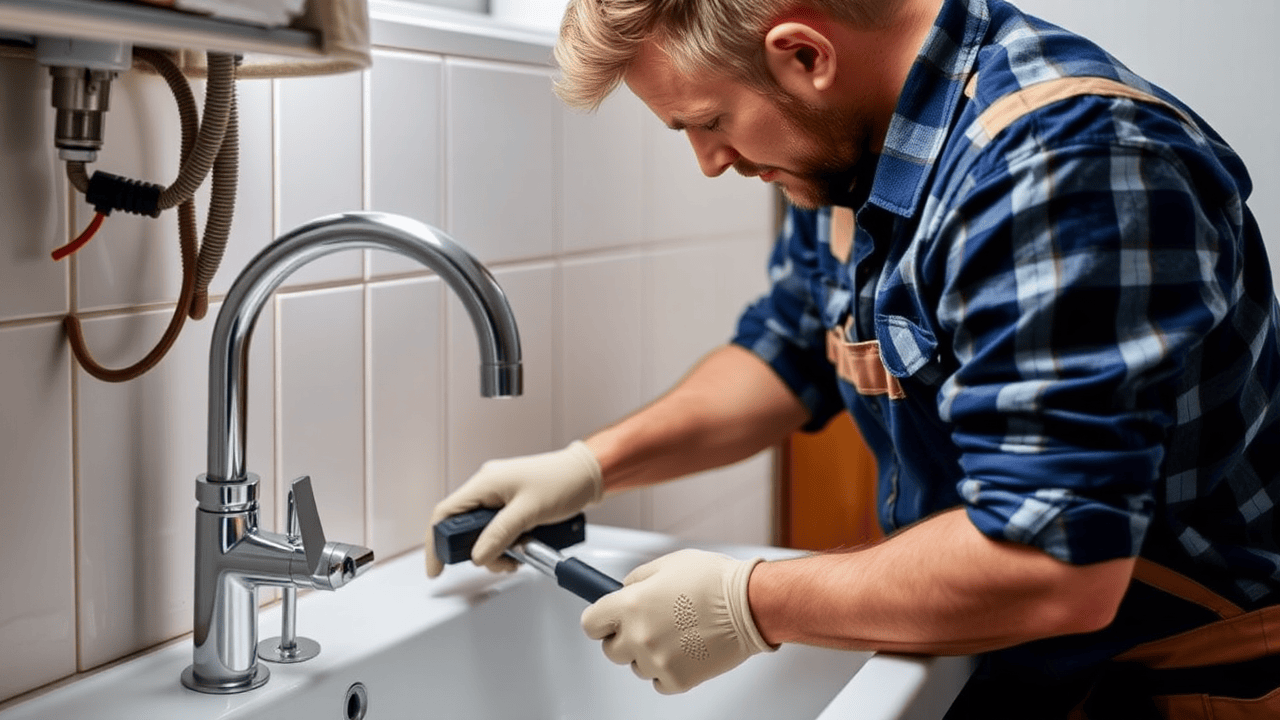
Cost Considerations for Installing a Sink
When considering the cost of sink installation and repair, several factors come into play. The type of sink chosen, whether it's a standard option or a more luxurious model, can greatly affect the overall expense. Additionally, the complexity of the existing plumbing system may require modifications. Labor costs vary by location, which may also influence the total budget required for installation.
Materials are another significant aspect of the overall cost. Beyond the sink itself, items such as faucets, drain assemblies, and any necessary plumbing supplies contribute to the final price. Homeowners should also prepare for potential unforeseen repairs that could arise during installation, adding to the expenses. Planning for these variables is essential to ensure a smooth installation process while keeping finances in check.
Budgeting for Professional Services
Hiring a professional for sink installation and repair can entail various costs that should be considered in your budget. Typical rates can vary widely based on factors such as location, complexity of the installation, and the plumber's experience. Additional charges may include the cost of materials, any necessary permits, and potential additional fees for unexpected plumbing issues that could arise during the installation process. Being aware of these factors will help you allocate funds effectively and avoid any unpleasant surprises.
When budgeting for these professional services, it's beneficial to obtain multiple quotes from different plumbers. Each quote may reflect varying levels of service, expertise, and pricing structures. Engaging in this comparison can ensure you find a fair price while also getting a quality service. Moreover, investing in a skilled plumber can save money in the long run by reducing the risk of future plumbing problems that could result from improper installation.
DIY Installation
Many homeowners consider a DIY approach for sink installation and repair, but it requires a clear understanding of the tasks involved. Basic plumbing skills, including cutting and connecting pipes, are necessary to ensure a leak-free installation. Fixtures must be installed properly to maintain functionality and avoid future issues. An understanding of the materials involved, such as PVC or copper pipes, is essential for anyone looking to tackle this project.
If you decide to go the DIY route, research the specific requirements for your sink type to avoid complications. Many online resources and tutorials provide step-by-step guidance, but practical plumbing experience can greatly enhance your chances of success. Familiarizing yourself with the local plumbing codes will also help ensure that your installation meets necessary regulations. Taking these factors into account can make a significant difference in the outcome of your sink installation and repair efforts.
Skills Required for Successful Installations
Successfully installing a sink requires a solid understanding of plumbing fundamentals. Familiarity with pipe fittings, drainage systems, and water supply connections is essential. Skills in precise measurements and level adjustments also come into play, ensuring that the sink fits correctly and functions properly. Attention to detail is crucial, as even minor misalignments can lead to leaks and other issues in the future.
Basic tool usage is another important aspect of sink installation and repair. Knowledge of how to operate tools such as wrenches, pliers, and pipe cutters will facilitate the installation process. Additionally, troubleshooting skills are invaluable when dealing with unexpected challenges. A keen ability to follow instructions detailed in installation guides or manuals can make a significant difference in the project’s outcome.
Local Plumbing Regulations
Local plumbing regulations can vary significantly from one municipality to another, making it essential to understand the specific requirements in your area before beginning any project. These regulations often pertain to the materials used, the methods of installation, and safety standards that must be adhered to during the process. Failing to comply with these rules can lead to costly fines and may even require you to redo the work to meet code standards.
When it comes to sink installation and repair, local building codes frequently mandate permits for any plumbing work. These permits are intended to ensure that installations meet safety and efficiency standards. Additionally, some areas necessitate inspections after installation to verify compliance with the established regulations. Being aware of and following these guidelines can save homeowners from potential legal issues and enhance the overall functionality of their plumbing systems.
Compliance with Building Codes
When undertaking any plumbing project, including sink installation and repair, adherence to local building codes is essential. These regulations are designed to ensure safety and functionality within a home. Codes can vary significantly from one jurisdiction to another, and it’s crucial to familiarize yourself with specific requirements that may govern installation height, drain size, and water supply connections. Failing to comply can result in costly rework and potential fines.
Beyond aesthetic appeal, compliance with building codes safeguards against future plumbing issues. Proper installation methods reduce the risks of leaks, water damage, and mold growth. Homeowners should also consider that code compliance often affects home insurance policies. Ensuring that sink installation and repair meets local regulations adds value to the property and protects the investment over time.
FAQS
Can I install a new sink myself?
Yes, you can install a new sink yourself if you have the necessary skills and tools. However, it’s important to assess your comfort level with plumbing tasks and whether you meet local building codes.
What factors affect the cost of hiring a plumber for sink installation?
The cost of hiring a plumber can vary based on factors such as the complexity of the installation, the type of sink chosen, and local labor rates. Additionally, any required plumbing modifications can increase the overall cost.
Are there specific skills required for a successful DIY sink installation?
Successful DIY sink installation typically requires skills in basic plumbing, carpentry, and a good understanding of how to work with plumbing fixtures. Familiarity with tools such as wrenches, drills, and sealants is also important.
How do I know if my local plumbing regulations require a licensed plumber for sink installation?
Local plumbing regulations can vary widely. It’s best to check with your city or county’s building department to understand any specific requirements regarding licensed professionals for plumbing work.
What are the risks of not hiring a plumber for sink installation?
Risks of not hiring a plumber can include improper installation, potential leaks, damage to existing plumbing, and violations of local building codes. This can lead to costly repairs and safety hazards in the long run.