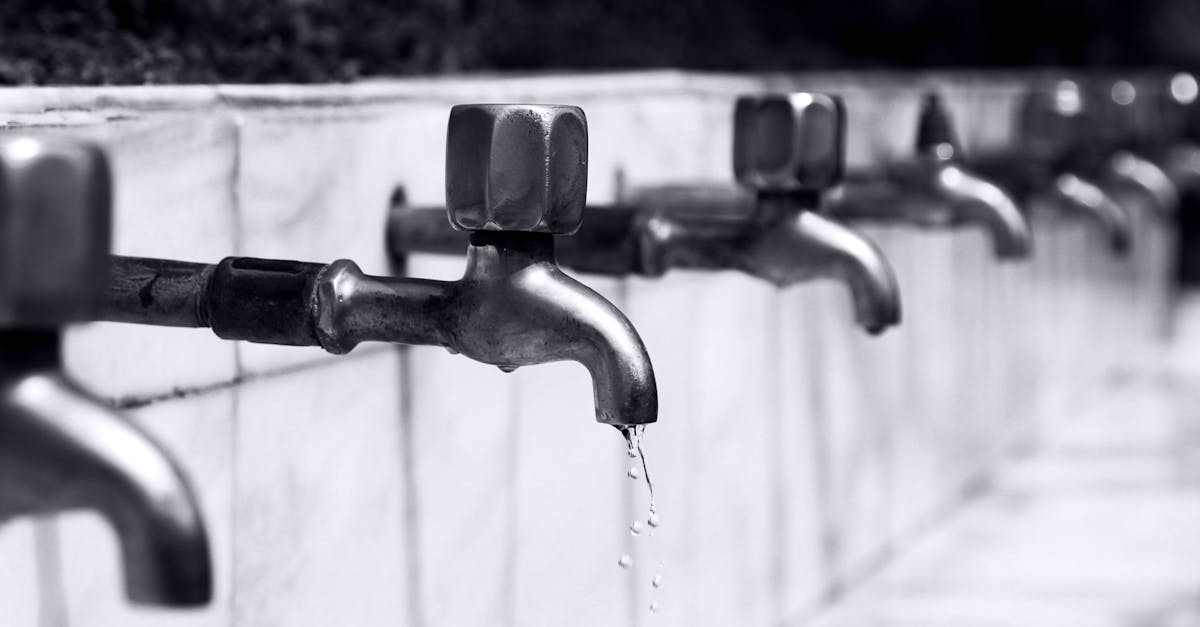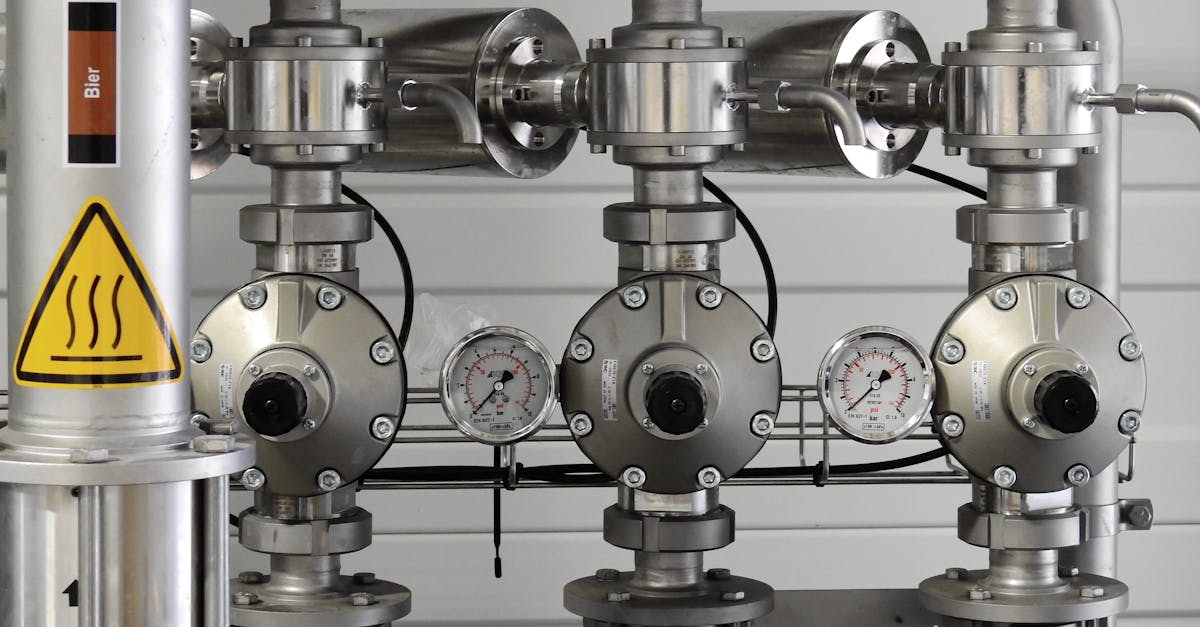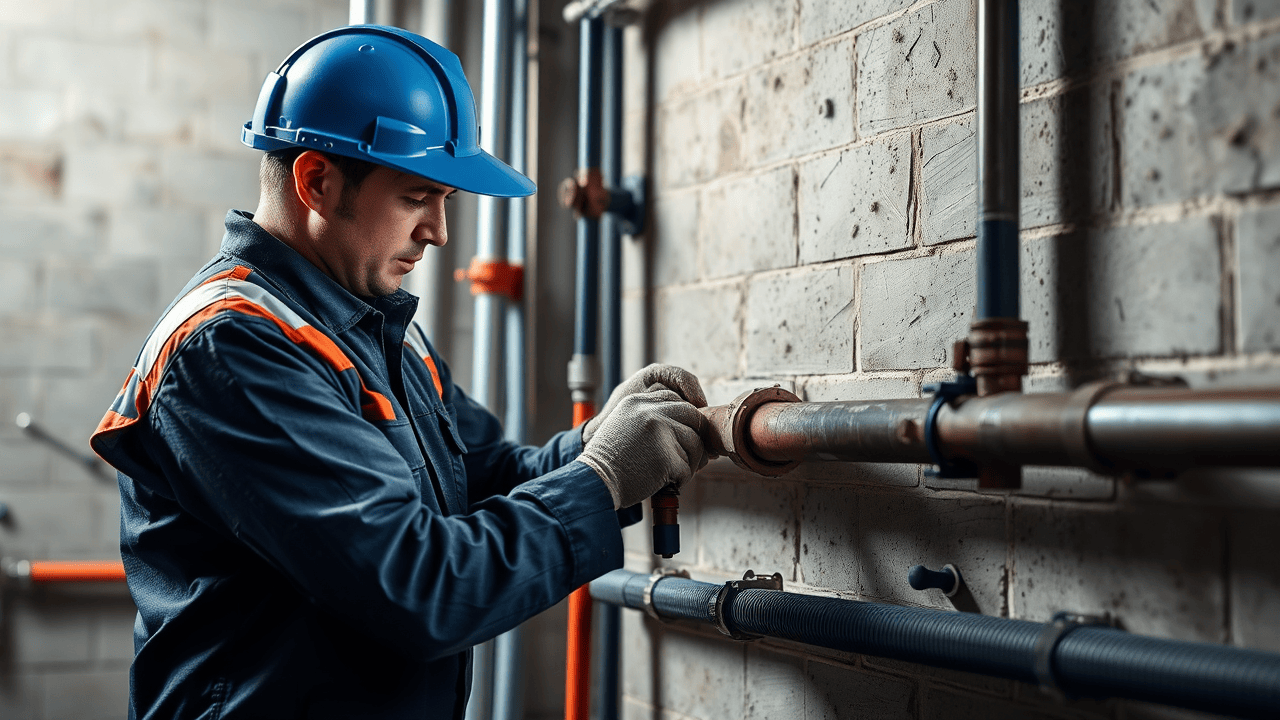
At Specialty Plumbing Company, we specialize in providing top-quality pipe installation and repair services tailored to meet the diverse needs of our clients. Whether you're renovating your home, constructing a new building, or experiencing issues with an existing piping system, our skilled technicians are equipped with the knowledge and tools necessary to ensure a seamless process. We use only the highest-grade materials to guarantee durability and efficiency, while our commitment to customer satisfaction means we will work closely with you to address your specific requirements. Trust us to handle everything from routine repairs to complex installations, all delivered with professionalism and expertise you can rely on.
Troubleshooting Pipe Leaks
Identifying the source of a pipe leak is crucial for effective repair. Start by inspecting common problem areas, such as joints, fittings, and areas where pipes are exposed to temperature fluctuations. Use a cloth to wipe away any moisture. This allows for a clearer view of the leak's origin. Listening for dripping sounds can also help pinpoint the leak's location. Additionally, monitor your water meter to track unusual usage, which may indicate an unseen leak.
Once the leak is located, consider the severity of the damage. Small leaks may only require a quick patch with plumbing tape or a similar product. If corrosion or significant damage is present, it might be necessary to replace the affected pipe section. When dealing with leaks in hidden areas, such as behind walls, advanced techniques like moisture detection tools can be invaluable. Prompt action can prevent further damage and costly repairs down the line.
Quick Fixes for Common Leak Problems
A common issue many homeowners encounter is a leaking pipe, which can often be resolved with a few straightforward techniques. For small leaks, using duct tape or rubber patches can provide a temporary seal until more permanent repairs can be made. Clean the area surrounding the leak, wrap the tape tightly around the damaged section, and ensure the seal is secure. This method is effective for minor leaks but should only serve as a short-term solution.
In cases where the leak is more extensive, turning off the water supply is essential to minimize damage. Once the water is off, you can apply pipe joint compound or tape to the threaded joints, which may be the source of the leak. For larger cracks or holes, a pipe repair clamp can be an effective solution. Applying the clamp over the affected area tightens around the pipe, helping to stop the leak until a professional repair can be arranged. These quick fixes can save both time and money while preventing further water damage.
Best Practices for Pipe Maintenance
Regular inspection of your plumbing system is essential to maintain its efficiency and longevity. Check for signs of wear and tear, such as corrosion, discoloration, or unusual dampness around pipes. Routinely clearing drains and ensuring that there is no accumulation of debris can prevent blockages and reduce the risk of severe leaks. It's also beneficial to monitor water pressure, as unusually high pressure can stress pipes over time, leading to potential failures.
Proper insulation is another crucial aspect of maintenance, especially in colder climates. Insulating exposed pipes helps prevent freezing and bursting during winter months. Additionally, avoid using harsh chemical drain cleaners, as they can damage pipes over time. Instead, consider using natural alternatives or seek professional help for tough clogs. Regular maintenance can save homeowners significant repair costs and help maintain a functional plumbing system for years to come.
Keeping Your Plumbing System in Top Shape
Routine inspections play a vital role in maintaining a plumbing system’s integrity and efficiency. Homeowners should regularly check for signs of wear, such as corrosion or visible leaks around fixtures and pipes. Looking under sinks and behind appliances can help catch minor issues before they escalate into significant problems. Additionally, monitoring water pressure and drainage speed can reveal underlying issues that may require professional attention.
Performing regular maintenance, including flushing water heaters and cleaning aerators in faucets, helps ensure smooth operation. Keeping drains clear of debris and using strainers can prevent clogs. Seasonal adjustments, like insulating pipes in colder months, can protect against freezing and bursting. Caring for your plumbing system proactively saves money on repairs and enhances its overall lifespan.
Environmental Considerations in Pipe Installation
Sustainable plumbing practices are essential for reducing the environmental impact of pipe installation. The choice of materials plays a significant role; for example, using eco-friendly options such as recycled PVC or PEX can minimize resource consumption. Additionally, factors like the energy used during production and transportation should be carefully considered. Selecting local suppliers can lessen carbon footprints and contribute to community support.
Water conservation is another crucial aspect of environmentally conscious pipe installation. Implementing fittings designed to reduce water flow without sacrificing performance helps in managing resource usage. Regular maintenance and inspections also contribute; ensuring pipes are leak-free prevents unnecessary water waste. Incorporating these practices not only benefits the environment but can also enhance the long-term efficiency of plumbing systems.
Sustainable Practices for Modern Plumbers
Modern plumbers are increasingly adopting sustainable practices to minimize their environmental impact. Utilizing high-efficiency fixtures and appliances leads to significant water conservation. Techniques such as trenchless technology for pipe replacement or repair reduce the disturbance to the surrounding landscape, which not only protects the ecosystem but also lowers the carbon footprint associated with traditional methods.
Incorporating materials that are recycled or have a longer lifespan can also contribute to sustainability efforts. By choosing environmentally friendly products and emphasizing energy efficiency, plumbers help homeowners reduce their utility bills while being conscious of their environmental responsibilities. Regular education on these practices ensures that both the plumbers and their clients remain informed about the latest sustainable innovations in the industry.
FAQS
What is the best way to identify a pipe leak in my home?
The best way to identify a pipe leak is to check for water stains on walls or ceilings, listen for the sound of running water when no taps are on, and monitor your water bill for unexpected increases. Additionally, conducting a pressure test can help pinpoint leaks.
What are some quick fixes for common pipe leak problems?
Some quick fixes include using plumber's tape or epoxy putty to seal small leaks, tightening loose fittings, and using a hose clamp with a rubber patch for temporary patching on minor cracks. However, these are only temporary solutions, and permanent repairs should be made as soon as possible.
How often should I perform maintenance on my plumbing system?
It’s recommended to perform maintenance on your plumbing system at least once a year. Regular checks can help catch minor issues before they turn into major problems, ensuring your system remains in good working order.
What sustainable practices can I implement during pipe installation?
Sustainable practices during pipe installation include using eco-friendly materials, opting for energy-efficient plumbing fixtures, ensuring proper insulation to prevent heat loss, and considering the use of recycled materials where possible.
How can I prevent future pipe leaks in my home?
To prevent future pipe leaks, ensure regular maintenance checks, avoid using harsh chemicals that may corrode pipes, monitor water pressure to avoid stress on plumbing, and insulate pipes in cold areas to prevent freezing. Additionally, checking for signs of wear or corrosion regularly can help catch potential issues early.