Professional Pipe Repair Services
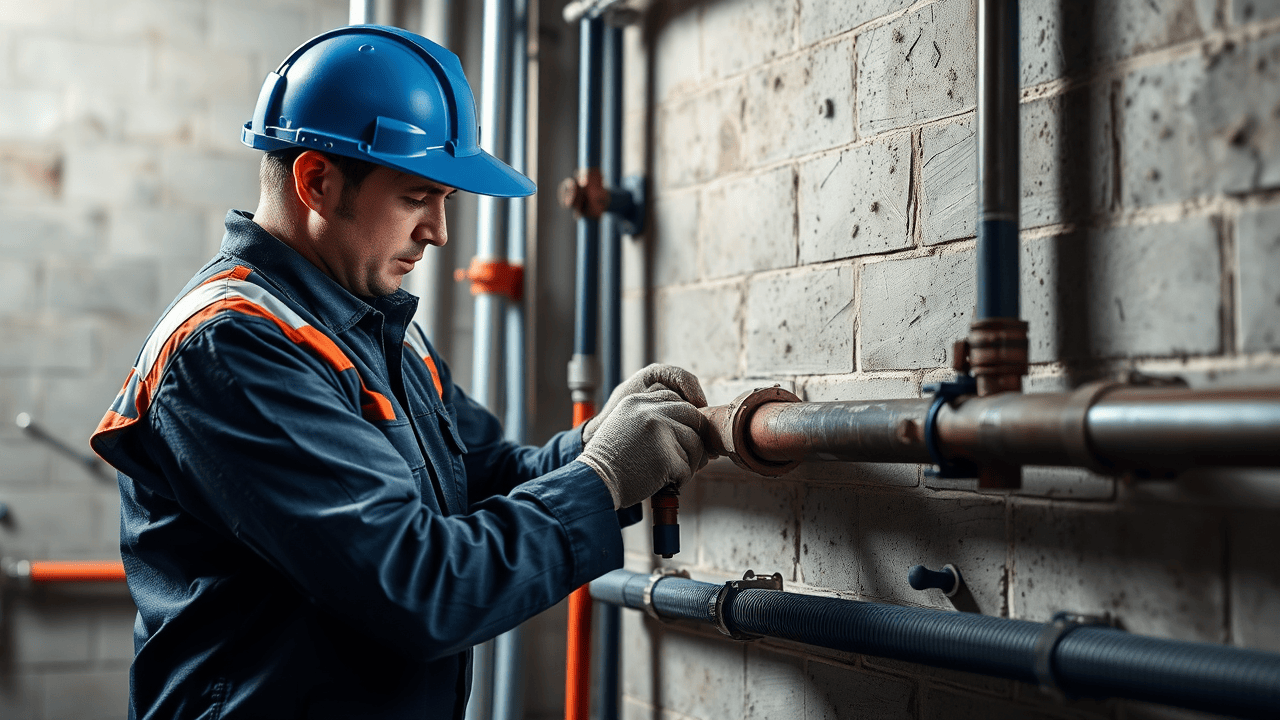
Professional pipe repair services offer a range of solutions to address various plumbing issues. These experts are equipped with the tools and knowledge needed to diagnose problems accurately, ensuring a long-lasting fix. From minor leaks to major pipe bursts, skilled technicians can tackle any challenge. Many services also include pipe installation and repair, allowing clients to receive comprehensive care for their plumbing systems.
Choosing a professional for pipe repair brings significant benefits. Licensed plumbers often provide warranties for their work, giving homeowners peace of mind regarding the effectiveness of the repairs. Additionally, they can offer advice on preventative maintenance, further extending the lifespan of a plumbing system. With the right expertise, clients can avoid costly repairs down the line and ensure that their pipes function efficiently.
What to Expect from Expert Technicians
When you hire expert technicians for pipe installation and repair, you can expect a thorough assessment of your plumbing system. These professionals arrive equipped with the right tools and technology to diagnose issues effectively. They will inspect the pipes for any leaks, corrosion, or blockages. Their experience allows them to identify not only immediate problems but also potential future concerns, helping you avoid larger issues down the line.
The technicians will provide a clear explanation of the necessary repairs and their costs before proceeding. Communication is key in this process, ensuring that you understand what needs to be done and why. They prioritize safety and efficiency, working to complete the repair or installation with minimal disruption to your daily routine. Expect them to leave the work area clean and tidy after the job is done, reflecting their commitment to professionalism.
Cost Factors in Pipe Repair
The cost of pipe installation and repair can vary significantly based on several factors. The type of material used for pipes plays a crucial role in the overall expense. Copper piping tends to be more expensive than PVC or PEX. Additionally, the complexity of the job influences pricing. If extensive excavation is needed or if the pipes are located in hard-to-reach areas, labor costs will typically be higher.
Another important factor is the extent of the damage. Minor leaks may require simple repair techniques, whereas significant issues could necessitate more extensive replacements. Geographic location also affects costs, as labor rates and material prices can fluctuate between regions. Homeowners should evaluate these factors when budgeting for pipe installation and repair projects.
Breakdown of Expenses Involved
Several factors influence the costs associated with pipe installation and repair. These can include the type of materials used, the labor costs in your area, and the complexity of the job. For instance, installing high-quality pipes often comes at a premium. If the job requires extensive labor due to difficult access or complicated existing plumbing, this can further drive up expenses.
Homeowners should also consider any additional costs that may arise from necessary permits or inspections required by local regulations. While some repairs might seem straightforward, unforeseen complications can lead to increased labor and material costs. Understanding these potential expenses helps in planning a budget and ensures there are no surprises during the pipe installation and repair process.
Preventative Measures for Pipe Issues
Proper maintenance and preventive measures are crucial for avoiding major pipe issues. Regular inspections of plumbing systems can help identify potential problems early on. Homeowners should also be aware of signs like leaks or unusual noises. Implementing routine checks can save money and prevent extensive repairs down the line. Ensuring that the drains are clear and that no foreign objects obstruct flow will also contribute to the longevity of the pipes.
During colder months, insulating exposed pipes is an effective way to prevent them from freezing. Monitoring water pressure levels is equally important, as excessively high pressure can lead to stress on the system. Proper pipe installation and repair techniques can minimize risks, ensuring that the plumbing works efficiently. Scheduling professional maintenance can provide peace of mind and extend the lifespan of plumbing systems.
Tips for Maintaining Healthy Pipes
To maintain healthy pipes, regular inspections are essential. Homeowners should periodically check for leaks or signs of corrosion. Addressing small issues early can prevent more significant problems down the line. Keeping an eye on water pressure is also crucial. High pressure can strain pipes and lead to fractures over time.
Another vital aspect involves ensuring proper drainage systems are in place. Clogs can lead to pipe backups and eventual damage. Avoid flushing non-biodegradable items down the toilet or pouring grease down the sink. Clean drains regularly to prevent buildup. Pipe installation and repair should be performed by professionals to ensure durability and prevent future complications. Following these tips helps extend the life of your plumbing system.
FAQS
What is the term used for fixing pipes?
The process of fixing pipes is commonly referred to as plumbing repair or pipe repair.
What services do professional pipe repair companies offer?
Professional pipe repair companies typically offer services such as leak detection, pipe replacement, relining, and maintenance to ensure pipes are functioning properly.
How can I determine the cost of pipe repair services?
The cost of pipe repair services can vary based on several factors, including the extent of the damage, the type of repair needed, and the materials used.
What preventative measures can I take to avoid pipe issues?
To avoid pipe issues, you can regularly inspect your plumbing system, avoid flushing inappropriate items down the toilet, and insulate exposed pipes to protect against freezing.
How often should I maintain my pipes?
It is advisable to perform routine maintenance on your pipes at least once a year, which may include inspections, cleaning, and addressing any minor issues before they become major problems.