Replacing Damaged Sections of Pipe
When dealing with damaged pipes under a house, the first step is to locate the exact section that requires replacement. Observing any visible leaks or damp spots can provide clues. In many cases, an inspection camera can also help diagnose issues without extensive digging. Once the problem area is identified, turning off the water supply is essential to prevent further damage. Those in need of assistance can search for "pipe installation and repair near me" to find qualified professionals who can evaluate the situation.
The replacement process involves carefully cutting out the compromised section of the pipe. Following removal, the replacement pipe must be fitted and secured. Utilizing the right type of materials is crucial to ensure compatibility with the existing plumbing system. After the new section is in place, plumbing joints should be sealed properly to prevent any leaks. Regular inspections can help homeowners stay ahead of potential issues, offering peace of mind regarding their plumbing systems.
The Replacement Process
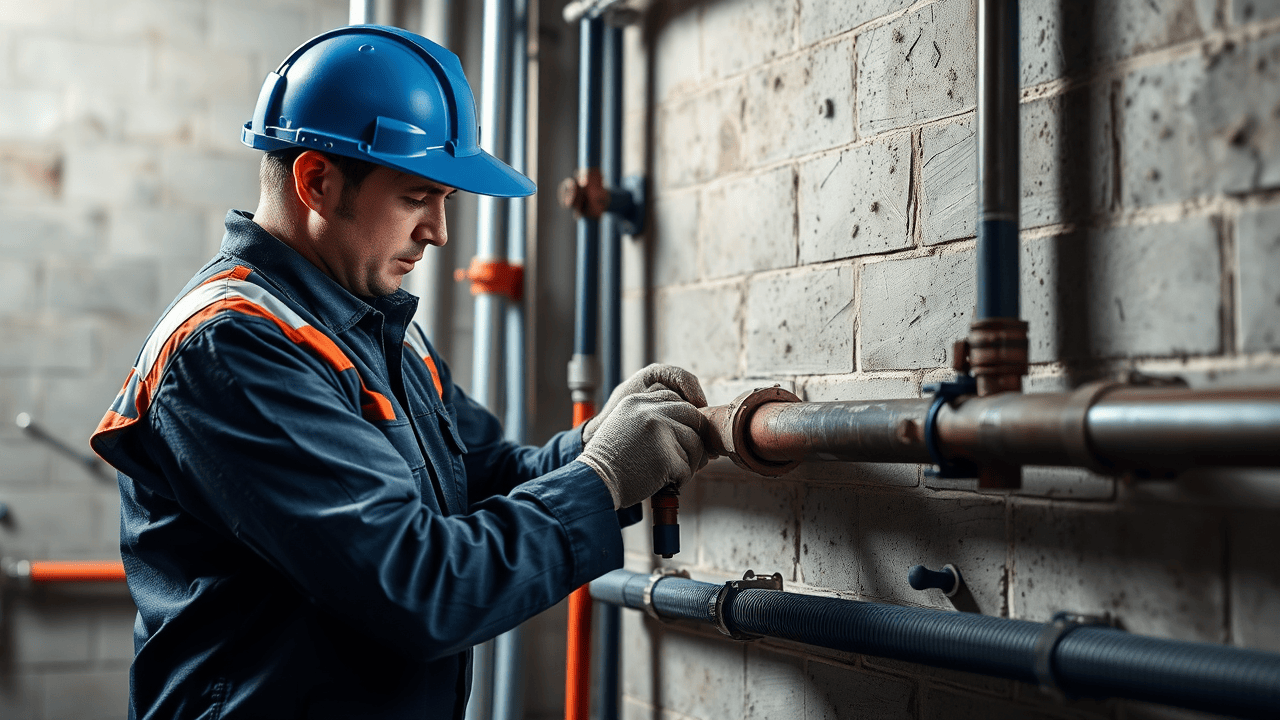
When a section of pipe needs replacement, the plumber first assesses the extent of the damage. They typically use specialized tools to expose the affected area, which may involve digging or removing flooring if the pipes are located beneath a house. Once the damaged section is identified, it is cut out carefully to ensure that the surrounding pipes remain intact. The plumber then measures and prepares the new piece of pipe, choosing the appropriate material to match the existing system.
After preparing the replacement pipe, the plumber installs it using either solvent welds or mechanical fittings, depending on the pipe type and location. This process requires precision to create a secure and leak-proof connection. Once the new section is installed, the plumber tests for leaks and ensures proper alignment with the rest of the plumbing system. Homeowners searching for "pipe installation and repair near me" can benefit from this thorough approach to ensure their plumbing systems are operating smoothly.
Understanding Pipe Insulation
Pipe insulation plays a crucial role in maintaining optimal temperature for plumbing systems. It helps prevent heat loss in hot water pipes and reduces condensation around cold water pipes. Proper insulation can also minimize the risk of frozen pipes during the colder months. When choosing insulation materials, consider factors such as the pipe's location, the climate, and the insulation's R-value, which measures its effectiveness in resisting heat flow.
Selecting a reliable service for pipe installation and repair near me ensures that pipes are adequately insulated during installation and after repairs. Insulation not only enhances energy efficiency but also prolongs the lifespan of plumbing systems. Implementing quality insulation techniques can lead to fewer repairs and lower utility bills, contributing to a more sustainable household environment.
Importance of Insulating Pipes
Insulating pipes plays a critical role in maintaining the efficiency of plumbing systems. Proper insulation helps regulate the temperature of the water flowing through the pipes, preventing heat loss during colder months. This can result in lower energy bills as hot water stays warmer longer. Additionally, insulation protects against pipe condensation, which can lead to moisture-related issues, such as mold growth and structural damage.
Investing in pipe insulation not only promotes energy efficiency but also prolongs the lifespan of plumbing systems. Insulated pipes are less susceptible to freezing, reducing the chances of costly repairs associated with bursting. Homeowners should consider contacting local services for pipe installation and repair near me to ensure their plumbing is up to standard and protected against potential temperature fluctuations.
Preventive Measures for Pipe Longevity
Regular maintenance plays a crucial role in extending the lifespan of your pipes. Homeowners should schedule routine inspections to identify potential issues early on. Simple practices like checking for leaks, monitoring water pressure, and ensuring proper drainage can help catch problems before they escalate. In addition, maintaining a consistent temperature in your home can prevent pipes from freezing during colder months, reducing the risk of burst pipes and costly repairs.
Proper insulation is also an important preventive measure. Insulating pipes, especially those located in unconditioned spaces, can prevent condensation and reduce the likelihood of freezing. Homeowners should consider professional services for pipe installation and repair near me to ensure that the materials used are suitable for the local climate. Investing in preventive measures can save time, money, and inconvenience associated with unexpected pipe failures.
Best Practices to Avoid Issues
Regular maintenance is key to preventing plumbing issues. Homeowners should schedule routine inspections to catch potential problems early. Keeping an eye on water pressure helps identify leaks or blockages before they become major concerns. Additionally, ensuring that drainage systems are clear of debris can minimize the risk of pipes backing up or bursting.
Using high-quality materials during initial pipe installation can enhance durability. Investing in proper insulation protects against freezing temperatures and reduces the risk of pipes bursting. Homeowners should also search for "pipe installation and repair near me" to find local professionals who can provide expertise in both installation and maintenance. This ensures that any work done meets local codes and best practices.
FAQS
What are common signs that pipes under my house need fixing?
Common signs include water stains on ceilings or walls, a sudden increase in water bills, reduced water pressure, or the sound of running water when no taps are open.
How do plumbers access pipes located under the house?
Plumbers typically access pipes under a house through crawl spaces or basements. They may also create openings in the flooring or walls if necessary.
What types of pipes are commonly found under houses?
Common types of pipes found under houses include PVC, copper, galvanized steel, and PEX. Each type has different properties and repair requirements.
How long does it typically take to fix pipes under a house?
The duration of the repair process can vary depending on the extent of the damage and the complexity of the repairs. Minor repairs may take a few hours, while extensive replacements could take a day or more.
Can I perform pipe repairs under my house myself, or should I hire a professional plumber?
While some minor repairs can be done by homeowners with basic plumbing knowledge, it is generally advisable to hire a professional plumber for more significant repairs to ensure safety and compliance with local codes.