The Cost of Hiring Pipe Repair Services
The cost of hiring pipe repair services can vary widely based on several factors. Basic repair jobs may start at a lower price point, while more complex issues could escalate costs significantly. Factors such as the location of the repair, the extent of the damage, and the type of materials involved will all play a vital role in determining the final bill. Homeowners should be prepared for additional charges for emergency services, which can inflate pricing further.
In urban areas, the cost of pipe installation and repair in residential homes tends to be higher due to increased labor costs and demand. Additionally, the experience and reputation of the contractor can influence pricing. Gathering multiple quotes from different experts can provide insight into the typical costs associated with your specific repair needs. It also allows homeowners to make informed decisions while finding quality service providers.
Factors Influencing Pricing
Several factors significantly influence the pricing of pipe installation and repair in residential and commercial settings. The type of pipe material being dealt with plays a crucial role in determining cost. Different materials, such as PVC, copper, and cast iron, have varying price points and repair complexities. Labor costs also fluctuate based on the expertise of the technician, the geographical location, and the current demand for plumbing services in the area.
The extent of damage to the pipes can further affect repair costs. Minor leaks may require a simple fix while severe damage could necessitate extensive excavation or complete replacement. The accessibility of the pipes is another consideration; if the pipes are buried deep or located behind walls, this can increase labor time and associated costs. Lastly, the urgency of the repair can lead to higher fees, especially if emergency services are requested outside regular business hours.
Different Types of Pipe Materials
Pipe materials can significantly impact the choices available for installation and repair. Common materials include PVC, copper, cast iron, and PEX, each with unique properties. PVC pipes are lightweight, resistant to corrosion, and often used in residential plumbing. Copper provides durability and antimicrobial properties but comes at a higher cost. Cast iron is known for its longevity and sound-dampening qualities, making it a traditional choice for drainage systems. PEX is flexible, easy to work with, and suitable for various applications.
The selection of pipe material influences repair techniques and tools required for a successful fix. Different materials respond to wear and stress in unique ways, necessitating specialized repair methods. For example, PVC can be easily glued while copper requires soldering skills. Pipe installation and repair in older homes might often reveal issues with cast iron due to rust or deterioration, demanding specific expertise for effective restoration. Understanding these materials helps homeowners make informed decisions when seeking professional assistance.
Impact of Material on Repair Techniques
The choice of pipe material significantly influences the repair techniques required. Different materials, such as PVC, copper, and cast iron, exhibit unique properties that affect how they respond to damage. For instance, PVC pipes are generally easier to repair due to their lightweight and flexible nature. Conversely, repairing a cast iron pipe often involves more extensive methods, including the use of specialized tools to handle the sturdy material. Each type's characteristics must be assessed to determine the most effective repair strategy.
Pipe installation and repair in various settings also depends on the chosen material. Some materials may require cutting and replacing sections, while others might allow for simpler patching techniques. Additionally, the accessibility of the pipes plays a crucial role in deciding the repair method. In confined spaces, the challenges of working with specific materials can lead to longer repair times and increased labor costs. Understanding these nuances is essential for ensuring that repairs are both effective and efficient.
How to Choose the Right Pipe Repair Expert
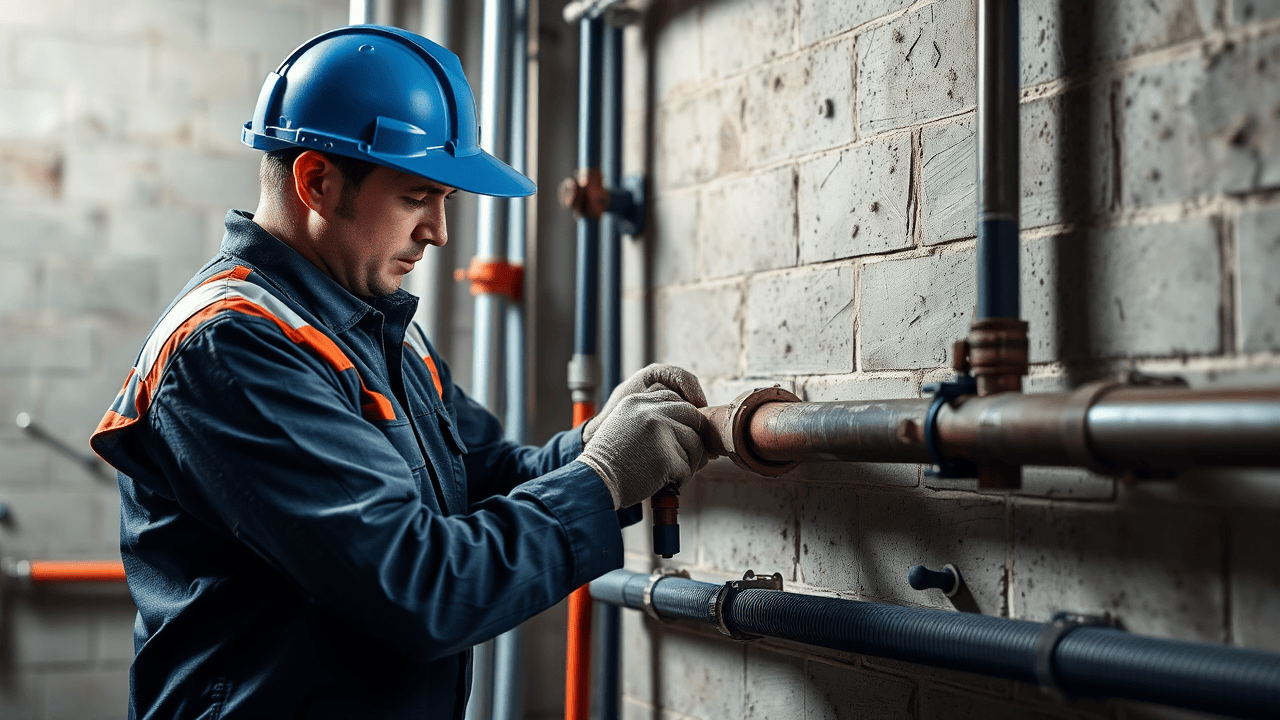
Choosing the right pipe repair expert involves careful consideration of their qualifications and experience. Look for professionals who have proven expertise in pipe installation and repair in various types of materials. Evaluating their certifications and any specialized training can also provide insight into their capability to handle your specific needs. A well-rounded expert should be familiar with the latest techniques and technologies in the field.
Communication is another essential factor in this selection process. Make sure the professional is approachable and willing to explain their methods clearly. Ask about their previous projects, especially those similar to your situation. Gathering reviews or testimonials from past clients can help you gauge their reliability and quality of work in pipe installation and repair in your local area.
Questions to Ask Potential Professionals
When seeking a professional for pipe installation and repair in your home, it is essential to ask specific questions to gauge their expertise and reliability. Inquire about their experience with the particular type of piping material used in your system, as different materials can require unique repair methods. Request information on their licensing and insurance coverage to ensure they meet local regulations and can protect you against potential liabilities.
Another important question involves their approach to estimating the cost of the project. Ask for a detailed breakdown of all potential charges, including labor and materials. Understanding their pricing structure and what is included in the estimate will help prevent surprises later on. Additionally, discuss their warranty policy on repairs, which can offer peace of mind regarding the quality and longevity of their work in your plumbing system.
FAQS
Who are the professionals that fit and repair pipes?
The professionals who fit and repair pipes are typically plumbers, pipefitters, or specialized contractors with experience in plumbing systems and pipe installations.
What factors influence the cost of hiring pipe repair services?
The cost of hiring pipe repair services can be influenced by factors such as the extent of the damage, type of pipe material, location of the repair, and the complexity of the job.
What are the different types of pipe materials commonly used?
Common types of pipe materials include PVC, copper, PEX, cast iron, and galvanized steel. Each material has its own characteristics and uses in plumbing systems.
How does the type of pipe material affect repair techniques?
The type of pipe material can significantly impact repair techniques, as different materials may require specific tools, methods, and skills for effective repair and maintenance.
What should I ask potential pipe repair experts before hiring them?
When interviewing potential pipe repair experts, consider asking about their experience, licensing, insurance, warranties offered, and references from past clients.