Permit and Inspection Requirements
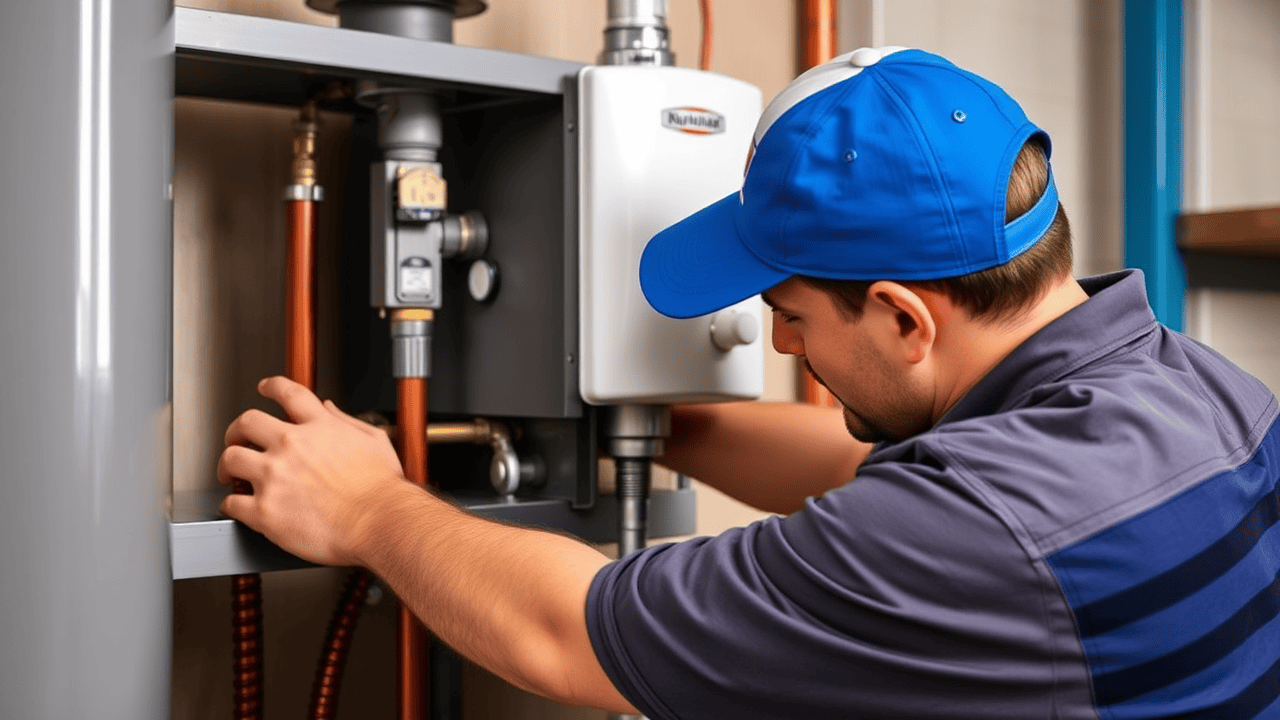
When replacing a water heater, it's essential to understand the necessary permits and inspections required in your area. Most local governments establish specific regulations governing the installation of water heaters to ensure safety and compliance with building codes. For residents in Oregon, the process often involves obtaining a permit before the installation begins. This step ensures that the work adheres to local building standards and protects homeowners from potential legal issues arising from unpermitted installations.
Following the installation, an inspection is typically required to confirm that the new unit meets both state and local regulations. During this inspection, a qualified inspector examines the installation for safety hazards and overall compliance. This process reflects the importance of adhering to guidelines, emphasizing proper venting, drainage, and electrical or gas connections. Those seeking assistance should consider professionals specializing in water heater installation and repair Oregon to facilitate compliance with these requirements.
Local Regulations Impact
Local regulations significantly influence the process of replacing a home water heater. Homeowners must adhere to local building codes that dictate how installations should be carried out. These codes often require obtaining permits and passing inspections to ensure safety and compliance with regional standards. In areas like Eugene, Oregon, specific guidelines may apply to the types of water heaters allowed, as well as their installation locations, especially in relation to venting and clearances.
Additionally, local regulations may determine the qualifications of the service provider. Many jurisdictions mandate that only licensed professionals handle water heater installation and repair. This ensures that the installation is performed correctly and safely, which is crucial for preventing potential hazards. For those considering water heater installation and repair in Eugene, Oregon, an understanding of these local regulations will streamline the process and avoid any costly setbacks.
Choosing the Right Replacement Unit
When selecting the right replacement unit for your home, it's crucial to consider both size and efficiency. The size of the water heater depends on your household's hot water demands. A smaller family may find that a tankless unit meets their needs, while larger households might require a traditional tank model. Energy efficiency also plays a significant role in choice, as modern units are designed to use less energy, which can lead to lower utility bills over time.
Homeowners in Oregon should also factor in the local climate and regulations when making a decision. Water heater installation and repair Oregon can vary based on specific regional guidelines that may dictate certain types of units or installation methods. Understanding these regulations is vital to ensure compliance and optimal performance. Thorough research and planning will result in a more satisfying and efficient water heating solution.
Evaluating Efficiency and Size
When selecting a replacement water heater, efficiency and size are two critical factors to consider. Efficiency ratings, typically represented by the Energy Factor (EF) or the Uniform Energy Factor (UEF), indicate how effectively the unit converts energy into hot water. Higher efficiency units may have a higher upfront cost but can lead to significant savings on utility bills over time. Choosing a properly sized water heater ensures that your household's hot water needs are met without excessive energy waste.
The size of the water heater directly impacts both performance and efficiency. It is essential to assess your household's peak hot water demand and select a unit that can accommodate it. Inadequate sizing can lead to inconsistent supply during high-demand times. For residents in need of professional installation services, options like water heater installation and repair Oregon provide knowledgeable local experts to assist with choosing and installing the right unit for their home.
Cost Considerations
When planning for a new water heater, it's essential to consider the costs involved beyond the unit's purchase price. Factors such as installation fees, permits, and potential modifications to plumbing or electrical systems can significantly increase the overall expense. Obtain estimates from multiple contractors to ensure a fair price. Researching local market rates can also help keep costs in check while ensuring quality service.
In addition to upfront costs, evaluating long-term expenses like energy efficiency is crucial. A higher initial investment in a more efficient model may lead to considerable savings on utility bills over time. Water heater installation and repair Oregon may present specific variations in pricing based on regional demand. Ensuring a balance between cost and quality can help homeowners make informed decisions regarding their water heater replacement.
Budgeting for Replacement
When planning for a water heater replacement, budgeting is a crucial aspect to consider. The costs can vary widely based on the type of unit you select, as well as labor fees associated with the installation. Basic tank water heaters tend to be less expensive than their tankless counterparts. It's essential to factor in not only the purchase price of the unit but also potential additional costs such as permits or plumbing modifications that may be required.
In the Eugene, Oregon area, many homeowners find it beneficial to seek out local professionals for their water heater installation and repair needs. Local regulations can affect pricing, so understanding these aspects can help in planning your budget more effectively. Additionally, energy efficiency ratings can impact long-term savings, making it wise to consider them when calculating overall costs.
FAQS
How long does it typically take to replace a home water heater?
Generally, replacing a home water heater can take anywhere from 2 to 6 hours, depending on the complexity of the installation and if any additional plumbing modifications are needed.
Do I need a permit to replace my water heater?
Yes, most local regulations require a permit for water heater replacement to ensure compliance with safety codes. It’s important to check with your local building authority for specific requirements.
What factors can affect the time it takes to replace a water heater?
Factors that can affect the replacement time include the type of water heater being installed, the condition of existing plumbing, the need for permits and inspections, and whether any upgrades or repairs are needed.
Can I replace my water heater myself, or should I hire a professional?
While some homeowners may consider DIY replacement, hiring a professional is recommended to ensure proper installation and compliance with local codes, which can save time and prevent potential issues.
How can I choose the right replacement unit for my home?
To choose the right replacement unit, consider factors such as the size and efficiency of the water heater, your household's hot water needs, and local energy costs. Consulting with a professional can also help you make an informed decision.