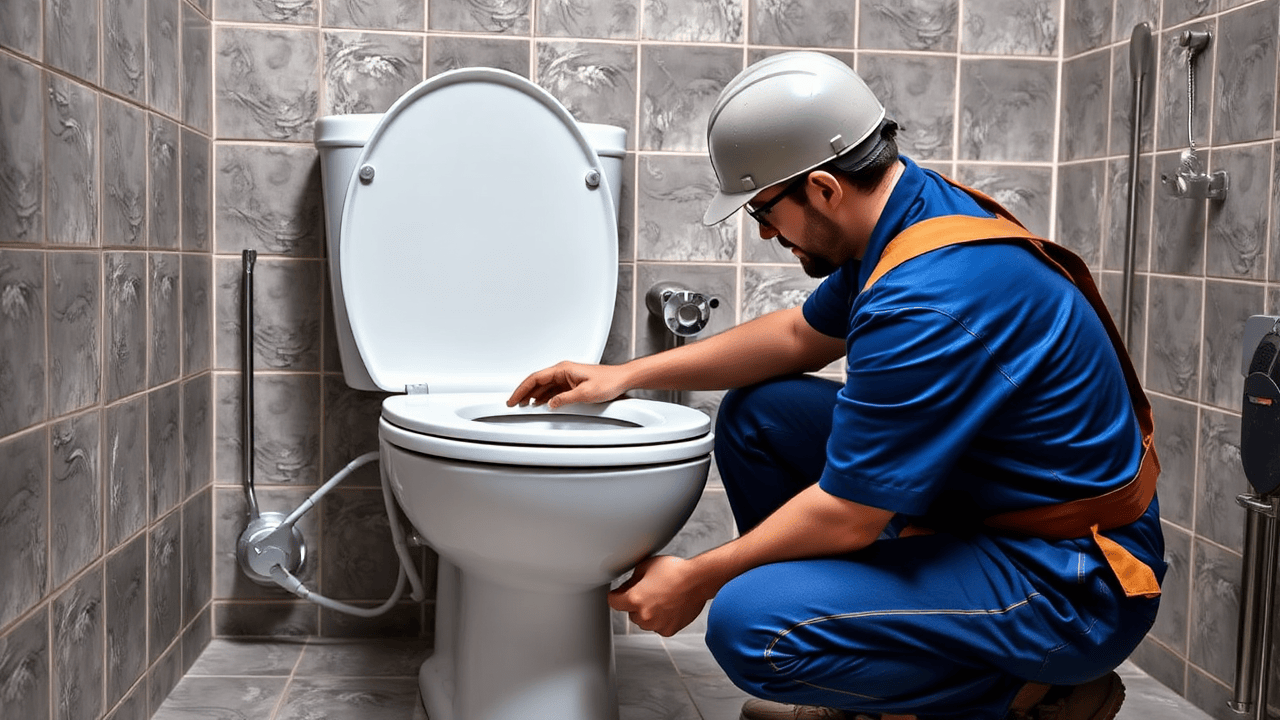
LongTerm Savings of Replacing a Toilet
Replacing an outdated toilet can result in significant long-term savings. Modern toilets are designed with improved efficiency, which translates to reduced water usage. Lower water bills can help offset the initial costs associated with toilet installation and repair. Additionally, newer models are often more reliable, reducing the frequency and cost of future repairs.
Investing in a newer toilet can also enhance the overall plumbing system. Traditional toilets may involve frequent issues like leaks or clogs, leading to unexpected expenses. Upgrading to a high-efficiency model not only conserves water but also minimizes the potential for costly repairs down the line. Choosing to replace rather than repair can be a strategic financial decision that pays off in the long run.
Energy Efficiency and Water Conservation
Upgrading to a more energy-efficient toilet can significantly reduce water usage. Modern toilets are designed to use less water per flush, with many models employing advanced technology for maximum efficiency. This not only helps conserve a vital resource but also contributes to lower water bills over time. Choosing a new energy-efficient unit during toilet installation and repair can yield substantial long-term savings.
Water conservation extends beyond just the toilet itself. Older models often rely on larger tanks and use multiple gallons per flush, leading to inevitable waste. By opting for a contemporary design, homeowners can enjoy improved performance while actively participating in sustainable water practices. Considering these factors can make a compelling case for the benefits of replacing an outdated unit during any toilet installation and repair task.
DIY vs Professional Help for Toilet Issues
Taking on toilet installation and repair as a DIY project can be a rewarding experience for those with the right skills and tools. Many common issues, such as a running toilet or a leaking tank, can be fixed with straightforward steps. Online tutorials and videos offer valuable guidance. However, successful execution requires basic plumbing knowledge and the ability to navigate potential complications, such as unexpected leaks or the need for specialized parts.
For individuals lacking confidence in their DIY abilities, seeking professional help can save time and frustration. Experienced plumbers bring expertise and efficiency to toilet installation and repair. They can quickly diagnose more complex issues that may not be apparent to a novice. Additionally, hiring a professional can ensure that the work is up to code, potentially preventing costly mistakes down the line.
Evaluating Your Skills and Resources
Before deciding whether to tackle toilet installation and repair yourself or hire a professional, it's essential to assess your skills and available resources. Consider your comfort level with plumbing tasks and the tools you have on hand. If you have experience with basic repairs and possess essential tools like wrenches and plungers, you might feel confident taking on minor fixes. However, if you've never dealt with plumbing before or lack the necessary equipment, it may be wise to consult a professional.
Additionally, the resources at your disposal can greatly influence your decision. Access to online tutorials and instructional videos may boost your confidence for DIY tasks, while a supportive network of friends or family experienced in plumbing can provide useful advice. Weigh these factors carefully, as the complexity of the problem may require specialized knowledge that goes beyond basic fixes, making professional help a more viable option for effective toilet installation and repair.
When to Choose Repair Over Replacement
In some cases, repairing a toilet may be the most cost-effective solution. If the issues are minor, such as a leaky flapper or a faulty fill valve, the repairs can be quick and inexpensive. Regular maintenance can also prolong the life of a toilet, allowing homeowners to avoid the significant costs associated with new toilet installation and repair. Addressing small problems early can prevent them from escalating into larger, more expensive issues.
Some situations clearly favor repairing rather than replacing. Older toilets that are compatible with modern parts can often be fixed efficiently, saving both time and money. If the structure of the toilet remains sound and the main issues stem from replaceable components, repairing it may be the wiser choice. Keeping in mind the overall condition and age of the unit will help determine if a repair is reasonable for many homeowners facing this decision.
Situations Where Repair is More Feasible
In some cases, repairing a toilet is not only more economical but also a practical choice. When minor issues arise, such as a worn flapper or a loose tank connection, a simple fix can restore functionality without the need for a complete replacement. These straightforward repairs often require minimal tools and can be completed quickly, making them ideal for homeowners looking to save on labor costs associated with toilet installation and repair.
Another situation where repair makes sense is when the toilet is still relatively new and in good condition. If the porcelain is intact and the system operates efficiently apart from a single minor issue, addressing that issue directly can prolong the toilet's lifespan. This approach minimizes waste and offers a more sustainable option, prioritizing effective use of resources while maintaining current plumbing systems.
FAQS
What are the long-term savings of replacing a toilet?
Replacing a toilet can lead to long-term savings through reduced water usage, especially if you switch to a high-efficiency model. This can significantly lower your water bills over time.
How does energy efficiency relate to toilet replacement?
Many newer toilets are designed to be more energy-efficient, using less water per flush. This not only conserves water but also reduces energy costs associated with heating water, further contributing to savings.
Should I attempt to fix my toilet myself or hire a professional?
It depends on the complexity of the issue. If you're comfortable with basic plumbing tasks, you might try a DIY approach for minor repairs. However, for more complicated problems, hiring a professional is recommended to ensure proper resolution and prevent further damage.
What skills should I evaluate before attempting a DIY toilet repair?
You should assess your plumbing knowledge, comfort with tools, and ability to follow instructions. If you're uncertain about any of these aspects, it's wise to consider professional help.
When is it more feasible to repair a toilet instead of replacing it?
Repair is usually more feasible when dealing with minor issues, such as a faulty flapper, a clogged drain, or a leak that can be easily fixed. If the toilet is relatively new and in good condition, repairs can be more cost-effective than replacement.